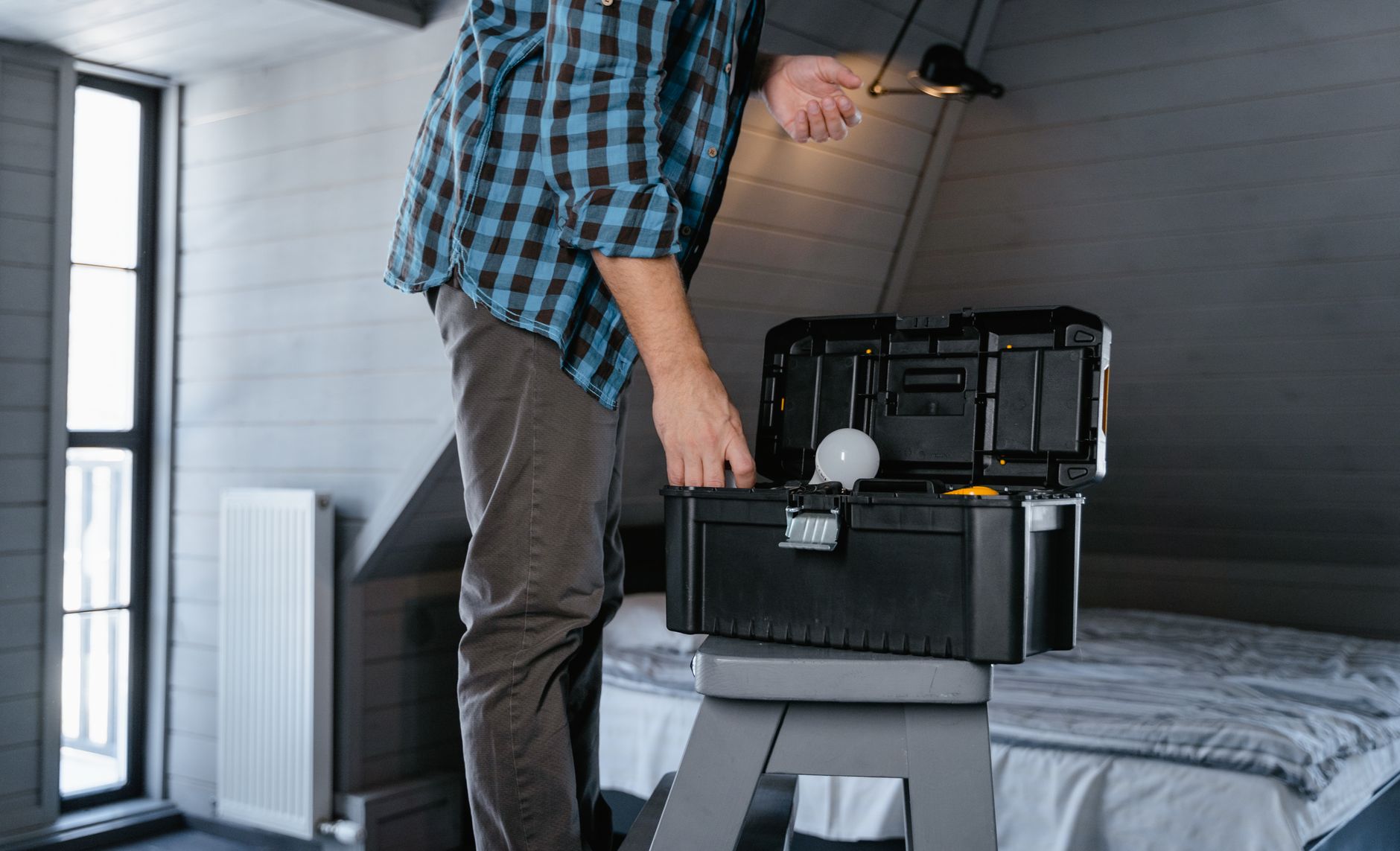
A new homeowner kit is less about buying every tool and more about preventing small problems from becoming expensive surprises. Shutoffs, filters, alarms, basic tools, records, cleaning, and maintenance reminders come first.
Loading matched recommendations...
Why This Page Is Its Own Lane
Use this quick lane check first. It explains what this guide is responsible for, what belongs somewhere else, and how the reader can tell the page has done something useful.
| Lane Signal | Specific Meaning Here | Why It Matters |
|---|---|---|
| Search Intent | Prepare for first-year homeowner surprises: shutoffs, filters, tools, service calls, safety devices, seasonal work, and emergency cash. | This is the narrow job this page must do. |
| Reader Scenario | A new homeowner has the keys but not the hidden costs that appear through leaks, filters, tools, yard tasks, inspections, and repairs. | This keeps examples grounded in a real use case. |
| Separate-Page Proof | The page is distinct when it creates a surprise fund and inspection list rather than a basic tool-shopping list. | If this proof is missing, the page should merge with a neighboring guide. |
| Keep Out Of This Lane | Do not repeat essential homeowner tools; this is budget risk planning. | This prevents keyword cannibalization and recycled advice. |
What This Page Should Make Easier
- repair reserve line
- filter and battery schedule
- service-call contact list
- seasonal yard or drainage check
- shutoff map
A Real-Use Snapshot For This Lane
Picture the reader in this exact situation: A new homeowner has the keys but not the hidden costs that appear through leaks, filters, tools, yard tasks, inspections, and repairs. The useful answer is not a longer generic checklist; it is a shorter sequence that starts with Prepare for first-year homeowner surprises: shutoffs, filters, tools, service calls, safety devices, seasonal work, and emergency cash. and proves readiness with The page is distinct when it creates a surprise fund and inspection list rather than a basic tool-shopping list..
| Start With | Then Confirm | Leave Out Until Later |
|---|---|---|
| repair reserve line | filter and battery schedule | Do not repeat essential homeowner tools; this is budget risk planning. |
| service-call contact list | The page is distinct when it creates a surprise fund and inspection list rather than a basic tool-shopping list. | cosmetic, duplicate, or anxiety-driven extras |
Quick Answer
Use New Homeowner Budget Surprises when the real job is Prepare for first-year homeowner surprises: shutoffs, filters, tools, service calls, safety devices, seasonal work, and emergency cash.. Start with repair reserve line, confirm The page is distinct when it creates a surprise fund and inspection list rather than a basic tool-shopping list., and keep Do not repeat essential homeowner tools; this is budget risk planning. out of the plan until the lane-specific baseline is working.
What To Do First
- Define the exact use case: A new homeowner has the keys but not the hidden costs that appear through leaks, filters, tools, yard tasks, inspections, and repairs.
- Write the page goal in one sentence: Prepare for first-year homeowner surprises: shutoffs, filters, tools, service calls, safety devices, seasonal work, and emergency cash.
- Handle the first concrete item: repair reserve line.
- Check the supporting detail: filter and battery schedule.
- Create the handoff or storage rule for service-call contact list.
- Before moving forward, make the proof visible: The page is distinct when it creates a surprise fund and inspection list rather than a basic tool-shopping list.
- Stop scope creep by excluding this: Do not repeat essential homeowner tools; this is budget risk planning.
Real-Life Check
Example: A new homeowner has the keys but not the hidden costs that appear through leaks, filters, tools, yard tasks, inspections, and repairs. The useful checklist starts with repair reserve line, then adds filter and battery schedule and service-call contact list only when they make the page goal easier to complete, explain, or maintain.
Common Mistake
The common mistake is treating New Homeowner Budget Surprises like a broad new homeowner shopping list. Keep the page anchored to Prepare for first-year homeowner surprises: shutoffs, filters, tools, service calls, safety devices, seasonal work, and emergency cash. and remove anything that mainly belongs to Do not repeat essential homeowner tools; this is budget risk planning..
Helpful Details
Home Ownership Operations Frame
Use New Homeowner Budget Surprises for first-year home operations. For a homeowner preparing for filters, service calls, small tools, safety devices, appliance issues, seasonal work, and hidden first-year costs, cover shutoffs, alarms, filters, records, tools, seasonal checks, repair reserve, and when to call a pro.
What To Verify For Safety And Service Work
Avoid risky DIY repair shortcuts. Electrical, gas, structural, roof, plumbing, pest, and code-sensitive work may require qualified professionals and local requirements.
First-Year Prevention Proof Test
The setup is working when the homeowner can find shutoffs, test alarms, record maintenance, price likely surprises, and decide what is DIY versus professional.
Keep Renter Move-In Shopping Separate
Keep apartment decor, lease-safe storage, and first-renter kitchen basics in the apartment guide.
Who New Homeowner Budget Surprises Is For
Use this guide for a homeowner preparing for filters, service calls, small tools, safety devices, appliance issues, seasonal work, and hidden first-year costs. That reader profile matters because the right first step, budget order, safety check, and wait list change when the situation changes.
A Practical Example For New Homeowner Budget Surprises
Example: the first-year budget includes filter replacements, locksmith or rekeying, lawn or snow needs, basic tools, pest control, appliance service, safety alarms, and one repair reserve line.
The Real-World Focus For New Homeowner Budget Surprises
Keep this guide focused on owned-home budget surprises: repairs, filters, shutoffs, tools, service calls, seasonal upkeep, and emergency fund gaps. If the real problem is first apartment move-in shopping, renter decor, or reversible apartment setup, use a different plan, different examples, and different buying priorities.
The First Move For New Homeowner Budget Surprises
Create a first-year reserve list with required maintenance, likely service calls, seasonal needs, and one emergency repair buffer.
What To Check Before Buying For New Homeowner Budget Surprises
Before buying, check the exact person, space, route, rule, risk, storage limit, and maintenance habit involved. For this decision, the anchor terms are new, homeowner, budget, surprises.
How To Tell New Homeowner Budget Surprises Is Working
Success means surprise costs are named before they hit the card, and the homeowner knows which expenses are maintenance, safety, comfort, or optional upgrades.
What Can Wait For New Homeowner Budget Surprises
Decor, remodels, luxury landscaping, and smart upgrades can wait until the reserve covers safety, maintenance, and service-call basics.
The Main Trap With New Homeowner Budget Surprises
The common mistake is buying around a vague ideal version instead of the exact space, people, weather, rules, budget, and maintenance habits that will decide whether the setup gets used.
Loading matched recommendations...
What New Homeowner Budget Surprises Is For
This guide is useful when your decision stays inside owned-home budget surprises: repairs, filters, shutoffs, tools, service calls, seasonal upkeep, and emergency fund gaps. If your real question is closer to first apartment move-in shopping, renter decor, or reversible apartment setup, treat this guide as a starting point and move to the related guide before comparing products. The examples, warnings, and first steps below stay tied to new, homeowner, budget, surprises so the advice remains clear.
The Best-Use Scenario For New Homeowner Budget Surprises
A homeowner needs shutoffs, alarms, filters, records, tools, repair funds, seasonal tasks, and professional-service boundaries. That scenario is different from a broad New Homeowner overview because the goal is one focused decision, not every adjacent checklist category.
The Proof Test For New Homeowner Budget Surprises
The plan is ready when the homeowner can find shutoffs, test safety devices, record maintenance, and decide when to call a pro. Use that proof test before adding products, steps, or upgrades. Strong recommendations should make that outcome easier, safer, cheaper, or less stressful.
How New Homeowner Budget Surprises Differs From Nearby Guides
A nearby guide about first apartment move-in shopping, renter decor, or reversible apartment setup may share a few supplies, but the buying reason, first move, risk, and success test are different here. Keep that difference in mind before choosing what to buy or do first for New Homeowner Budget Surprises.
Where This Guide Fits
Use this section to confirm whether this is the right guide for your situation before you compare options or buy supplies.
- Use this guide when the decision is specifically about owned-home budget surprises: repairs, filters, shutoffs, tools, service calls, seasonal upkeep, and emergency fund gaps.
- If the real need is first apartment move-in shopping, renter decor, or reversible apartment setup, use the related guide instead.
- The examples below stay anchored to new, homeowner, budget, surprises so the advice remains specific.
When To Use This Guide
| Situation | Use This Guide For | Keep Separate |
|---|---|---|
| Reader profile | a homeowner preparing for filters, service calls, small tools, safety devices, appliance issues, seasonal work, and hidden first-year costs | Use the advice only when that reader problem matches your situation. |
| Practical example | Example: the first-year budget includes filter replacements, locksmith or rekeying, lawn or snow needs, basic tools, pest control, appliance service, safety alarms, and one repair reserve line. | This example shows how the guide applies in a real situation. |
| First move | Create a first-year reserve list with required maintenance, likely service calls, seasonal needs, and one emergency repair buffer. | This first action keeps the guide practical and specific. |
| Reader came for | owned-home budget surprises: repairs, filters, shutoffs, tools, service calls, seasonal upkeep, and emergency fund gaps | Use examples that mention new, homeowner, budget, surprises. |
| Reader did not come for | first apartment move-in shopping, renter decor, or reversible apartment setup | Route that topic to a related guide instead of repeating it here. |
| Success looks like | The plan is ready when the homeowner can find shutoffs, test safety devices, record maintenance, and decide when to call a pro. | This is the concrete outcome that keeps the decision focused. |
How To Choose The Right Path
| Option Or Limit | Use It When | Watch Out For |
|---|---|---|
| Use this guide for | owned-home budget surprises: repairs, filters, shutoffs, tools, service calls, seasonal upkeep, and emergency fund gaps | Keep examples anchored to New Homeowner Budget Surprises. |
| Belongs elsewhere | first apartment move-in shopping, renter decor, or reversible apartment setup | Use related links, not duplicate paragraphs. |
| First action | Create a first-year reserve list with required maintenance, likely service calls, seasonal needs, and one emergency repair buffer. | If this action is not the right start, choose a related guide. |
| Measure success by | Success means surprise costs are named before they hit the card, and the homeowner knows which expenses are maintenance, safety, comfort, or optional upgrades. | This is the real-world check that keeps the plan specific. |
| Decision trigger | The plan is ready when the homeowner can find shutoffs, test safety devices, record maintenance, and decide when to call a pro. | This test separates the decision from a generic checklist. |
Quick Self-Check
- Create a first-year reserve list with required maintenance, likely service calls, seasonal needs, and one emergency repair buffer.
- Success means surprise costs are named before they hit the card, and the homeowner knows which expenses are maintenance, safety, comfort, or optional upgrades.
- Decor, remodels, luxury landscaping, and smart upgrades can wait until the reserve covers safety, maintenance, and service-call basics.
- Name the exact reader problem before adding product categories: owned-home budget surprises: repairs, filters, shutoffs, tools, service calls, seasonal upkeep, and emergency fund gaps.
- If your main need is first apartment move-in shopping, renter decor, or reversible apartment setup, use the related guide instead of forcing this checklist to cover everything.
- Use at least one example involving these title terms: new, homeowner, budget, surprises.
What To Research First
Research only categories that prove this specific lane works. For New Homeowner Budget Surprises, start with repair reserve line, filter and battery schedule, and service-call contact list before adding convenience upgrades.
- repair reserve line
- filter and battery schedule
- service-call contact list
- seasonal yard or drainage check
- shutoff map
- layout, storage, and reset supplies
What Can Usually Wait
Delay anything that does not support Prepare for first-year homeowner surprises: shutoffs, filters, tools, service calls, safety devices, seasonal work, and emergency cash.. The point is to finish the lane-specific baseline before buying extras that belong to a broader new homeowner page.
- Do not repeat essential homeowner tools; this is budget risk planning.
- Upgrades that do not improve repair reserve line.
- Duplicate products that do not change filter and battery schedule.
- Brand or aesthetic choices before the working baseline is proven.
Real-World Fit Check
Before spending money, use these checks to make sure the plan fits real life instead of just looking complete on paper.
- Can you point to the real scenario: A new homeowner has the keys but not the hidden costs that appear through leaks, filters, tools, yard tasks, inspections, and repairs.?
- Does every item support this intent: Prepare for first-year homeowner surprises: shutoffs, filters, tools, service calls, safety devices, seasonal work, and emergency cash.?
- Can you show the proof condition: The page is distinct when it creates a surprise fund and inspection list rather than a basic tool-shopping list.?
- Did you remove anything that belongs here instead: Do not repeat essential homeowner tools; this is budget risk planning.?
Real-Life Examples
Example: The Simple Starting Version
Begin with this first step: write the full first-month and first-year cost before choosing products. Then check whether the cheaper option still works after maintenance, storage, safety, and replacement costs are included. If that works, the reader can compare products with a clear purpose instead of guessing.
Example: Comparing Products Without Overbuying
Compare layout, storage, and reset supplies and power, lighting, cleaning, and access basics only after the job is clear. The better choice is the one that helps the first version work and reduces this risk: forgetting recurring costs, repairs, replacements, insurance, consumables, fees, and backup plans.
Affiliate disclosure: As an Amazon Associate, SSA may earn from qualifying purchases.
Related Tools
Use these SSA resources to move from reading into an actual checklist. The goal is to turn a general plan into a saved, personalized set of priorities.
- New Homeowner Kit Builder – Use this to create a personalized checklist from this guide.
- Life Readiness Center – Browse all SSA kit builders and saved readiness tools.
- First Apartment Kit Builder – Related checklist for the next planning step.
- Emergency Preparedness Kit Builder – Related checklist for the next planning step.
- Power Outage Kit Builder – Related checklist for the next planning step.
- Beginner Gardening Kit Builder – Related checklist for the next planning step.
Verify Before You Buy
Check current prices, product instructions, recalls, return policies, and safety notes before choosing a specific item. For medical, legal, vehicle, child-safety, pet-care, emergency, or financial questions, use qualified guidance and official sources.
Source And Safety Notes
This guide is a planning aid. Verify current product details, safety notices, instructions, recalls, and return policies before buying or recommending a specific item.
- CPSC Recalls and Product Safety Warnings – Check recalls, safety alerts, and product categories before recommending or buying specific items.
Related Articles
- Essential Homeowner Tools
- Home Maintenance Calendar
- Emergency Home Supplies
Frequently Asked Questions
Who is New Homeowner Budget Surprises for?
It is for a homeowner preparing for filters, service calls, small tools, safety devices, appliance issues, seasonal work, and hidden first-year costs. If that does not match your situation, use the closest related guide before buying anything.
What should I do first for New Homeowner Budget Surprises?
Create a first-year reserve list with required maintenance, likely service calls, seasonal needs, and one emergency repair buffer.
How do I know New Homeowner Budget Surprises is working?
Success means surprise costs are named before they hit the card, and the homeowner knows which expenses are maintenance, safety, comfort, or optional upgrades.
What should new homeowners buy first?
Safety devices, basic tools, shutoff knowledge, cleaning basics, and a maintenance calendar come before decor.
How much should I save for repairs?
A common starting target is a recurring home maintenance fund, adjusted by home age, systems, and local costs.
Bottom Line
For New Homeowner Budget Surprises, start here: write the full first-month and first-year cost before choosing products. Then prove the first version works in real life, wait on extras until they have a clear job, and keep the larger new homeowner plan simple enough to use, review, and maintain.
Open the New Homeowner Kit Builder when you want this turned into a checklist you can save, update, and use before buying.
Loading matched recommendations...
Discover more from Simply Sound Advice
Subscribe to get the latest posts sent to your email.